
RDTR (Rencana Detail Tata Ruang / Detailed Spatial Plan) is the primary legal basis that determines whether a business activity may be carried out at a specific location in Indonesia. It regulates land-use zoning in detail down to the block and parcel level, including the types of business activities permitted based on KBLI classifications.
Since the enactment of Government Regulation (PP) No. 28 of 2025, RDTR has no longer functioned as a passive planning document. RDTR has become an active reference used by the OSS RBA system to automatically validate business locations. This validation is based on geographic coordinates, not merely administrative addresses.
Starting in 2026, business licenses cannot be processed without RDTR compliance, regardless of the completeness of other documents.
Latest RDTR Regulations 2026 in the OSS RBA System

Under the latest OSS RBA scheme, RDTR functions as the first filter before a business license is processed further. The OSS system reads the business location point or polygon and matches it with the applicable RDTR zoning in that area.
If the RDTR zoning:
- Permits the KBLI → the process continues
- Restricts the KBLI → the system requests adjustments
- Prohibits the KBLI → the license is automatically rejected
This approach eliminates manual interpretation and removes gray areas in location-based licensing. The 2026 RDTR regulations are deterministic and systemic, not subjective.
Read Also: Business Location: The Key to Your Business Success
RDTR Updates Integrated with OSS as of 2026
As of 15 December 2025, a total of 539 RDTRs have been integrated with OSS. This number continues to grow as regional governments and the Ministry of ATR/BPN accelerate spatial planning digitalization.
RDTR–OSS integration enables:
- Real-time reading of location coordinates
- Automatic zoning validation
- License rejection without manual intervention
With the expanding coverage of digital RDTR, the chance of obtaining a license without zoning compliance is practically zero.
Read Also: Must Know! Company Deed of Establishment Requirements
The Direct Impact of RDTR on Business Licenses and NIB
Under the RDTR-first framework, business location is the most critical variable in license issuance. RDTR non-compliance may result in:
- Rejection of NIB issuance
- Requests to relocate the business address
- Termination of the OSS process at an early stage
RDTR is no longer a supporting document but a final determinant. Many new business owners only realize this after their licenses fail to be issued, even though all administrative requirements have been fulfilled.
Business Risks of Ignoring the 2026 RDTR Regulations
Ignoring RDTR means taking a strategic risk, not merely making a technical mistake. Common consequences include:
- Rental or purchase costs for locations that cannot be used
- Project delays with no clear timeline
- Restarting the OSS process from scratch
- Operational losses due to unissued licenses
In an RDTR-based system, choosing the wrong location is as serious as choosing the wrong business model.
RDTR as the Basis for Selecting a Business Address
The RDTR-first approach requires business owners to choose addresses based on zoning, not merely location prestige. A business address must:
- Be located in a zone that permits business activities
- Be clearly registered in the local RDTR
- Have a verifiable licensing history
This is why issues surrounding business addresses, shared offices, and virtual offices are always directly linked to discussions about the latest RDTR regulations.
It is important to understand that RDTR updates do not automatically render an address illegal. Legality is determined by zoning compliance and the legal basis of existing permits.
Read Also: How to Quickly Establish a PT Without a Physical Office Address
RDTR, Virtual Offices, and Zoning Certainty
Virtual offices are not an RDTR issue—the determining factors are the location and its zoning. As long as the virtual office address is located in a business zone permitted by RDTR and has valid building permits, its use remains legally valid.
A common mistake among business owners is equating “virtual office” with a “problematic address,” when the crucial factor is actually the RDTR zoning status of the building.
RDTR as a Foundation, Not an Obstacle
The latest RDTR regulations for 2026 demand certainty from the beginning, not adjustments at the end. For business owners, the RDTR-first approach actually provides clarity: choosing the right location from the outset means a faster licensing process with minimal risk.
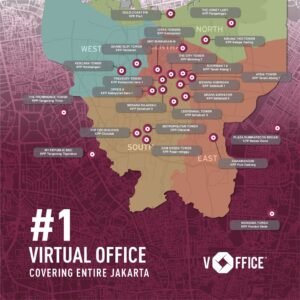
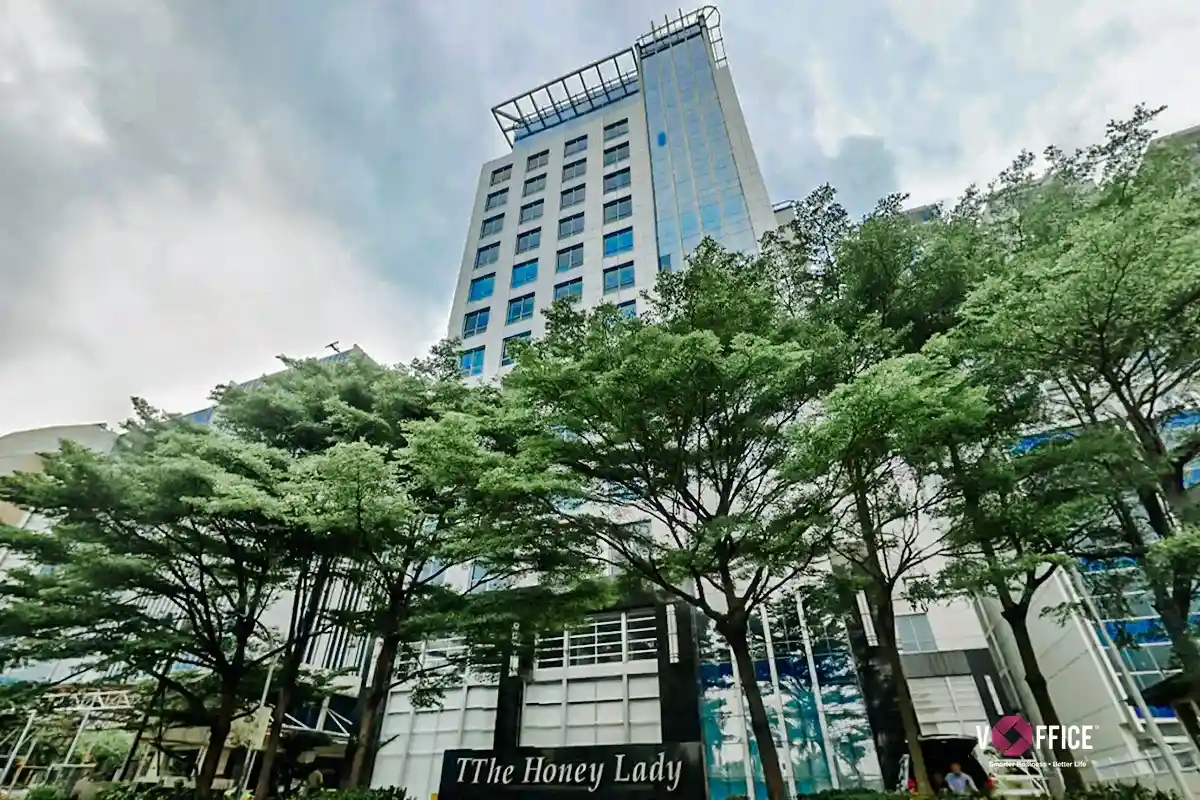
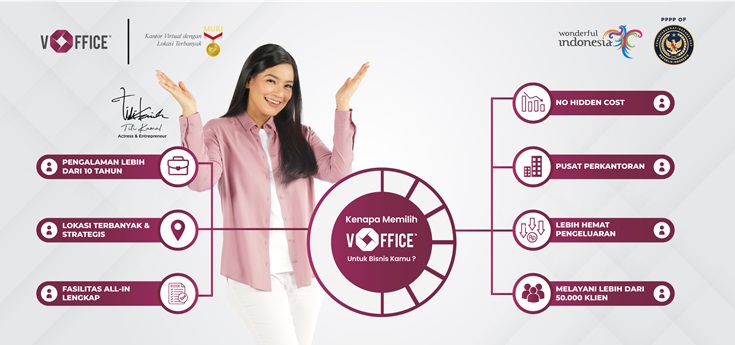
As an office service provider, vOffice places RDTR and zoning certainty as a core standard, not an added feature. All locations are in Grade A buildings, business districts, and zones that support business activities under RDTR, backed by a track record of more than 50,000 clients.
If RDTR adjustments occur on the ground, the key is not reactive relocation, but ensuring that the zoning basis and legal standing of the location remain strong. This approach allows business owners to focus on growth rather than licensing issues.
Check: How vOffice Virtual Office Helps OSS RBA Applications in Compliance with RDTR 2026
So, are you interested in renting a vOffice virtual office?
If yes, you can contact the vOffice team. We provide virtual office services in various prestigious locations in Indonesia.
Here are strategic location options from vOffice for virtual offices in Indonesia:
- Rent Virtual Office Jakarta
- Rent Virtual Office Tangerang
- Rent Virtual Office Bekasi
- Rent Virtual Office Surabaya
- Rent Virtual Office Bali
- Rent Virtual Office Medan
- Rent Virtual Office Bandung
- Rent Virtual Office Batam
What are you waiting for? Contact us now and get various attractive offers!
FAQ About the Latest RDTR Regulations 2026
What is the difference between RDTR and RTRW?
RDTR regulates zoning in detail down to the block level and serves as a direct reference for OSS, while RTRW is macro in nature.
Have all regions integrated RDTR with OSS?
No. As of the end of 2025, 539 RDTRs have been integrated, and the number continues to increase.
Can a business license be rejected solely due to RDTR?
Yes. RDTR zoning non-compliance directly results in automatic rejection in OSS.
Are virtual offices always problematic under RDTR?
No. As long as they are located in RDTR-permitted business zones and have valid building permits, virtual offices remain legal.
The safest step before applying for a business license in 2026?
Ensure the business location complies with RDTR, the zoning supports the KBLI, and the area is integrated with OSS.