

In the modern legal era in Indonesia, law firms are faced with a strategic decision: using a virtual office or a physical office. Each option comes with its own advantages and disadvantages, depending on the size of the firm, the type of legal services offered, and client needs.
This article thoroughly examines the legal, operational, and branding aspects of both options—and how vOffice can be a strategic solution for law firms looking to stay competitive.
Also Read: What Are the Requirements to Establish a Law Firm in Indonesia?
Why Should Law Firms Choose Wisely?
Law firms don’t just offer legal services—they also provide a sense of trust for their clients. Amid advancements in technology and cost-efficiency, many firms are starting to consider virtual offices as alternatives to expensive and inflexible physical offices.
However, for law firms, there are more factors to consider beyond just cost efficiency.
Also Read: Why Do Lawyers Need a Professional Business Address?
Physical Office: Reputation and Full Control
A physical office provides full control over security, workspace, and brand representation. Clients tend to trust firms with a fixed and representative location. In fact, a physical office can become a long-term asset and enhance the firm’s overall value.
The main drawback is the high operational cost and the limited geographical reach. Firms looking to expand to other cities need significant capital if they rely solely on physical offices.
Virtual Office for Law Firms: A Modern Alternative with a Prestigious Business Address
For law firms in Indonesia, an office represents more than just a place to work. It’s about credibility, trust, and professional identity. However, with growing workplace flexibility and operational efficiency, many are starting to consider virtual offices as a viable alternative.
Virtual offices offer modern solutions that were once exclusive to physical offices: prestigious business addresses, legal support services, and representative facilities like meeting rooms—all without the high overhead costs.
Also Read: What’s the Trend of Virtual Offices Among Lawyers?
Legal Standing of Virtual Offices for Law Firms
Virtual offices are legally recognized in Indonesia. According to PMK No. 147/PMK.03/2017, virtual offices are considered valid as long as they include physical elements such as meeting rooms and administrative services. Law No. 40 of 2007 also requires businesses to have a clear address, which can be fulfilled through a virtual office.
For law firms, this is crucial: a valid office address is a requirement for legal registration and taxation. A virtual office from a trusted provider like vOffice ensures all these requirements are met.
Also Read: Is a Virtual Office Legal? Here Are the Regulations in Indonesia
When Is a Physical Office Still Necessary?
For some large law firms serving high-profile corporate clients, a physical office remains relevant. Exclusive workspaces and full control over information security systems are still top priorities. However, this requires a significant investment and may not be suitable for every stage of business.
Hybrid Model: The Ideal Solution
Many law firms are now adopting a hybrid model. Virtual offices are used for legal registration, company domicile, and administrative needs. Meanwhile, physical offices are reserved for sensitive activities such as trials or confidential consultations.
How Does vOffice Provide Solutions for Law Firms?
vOffice offers more than just a virtual address. They provide:
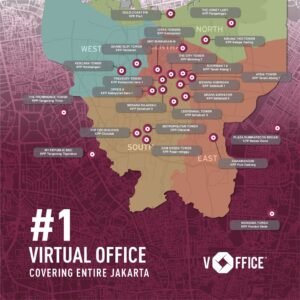
- 40+ strategic locations across Indonesia
- Private meeting rooms
- Professional call answering services
- Legal and tax compliance support
- Official address for legal purposes
Using a virtual office from vOffice allows law firms to maintain a professional image without the burden of high operational costs. It’s ideal for independent lawyers, boutique firms, or growing law practices.
Looking to build a professional image without the heavy cost burden?
vOffice offers trusted virtual office services for law firms with complete facilities, official addresses, and private meeting rooms.
For more details, visit the vOffice Virtual Office page.
Check out these strategic location options from vOffice:
- Rent a Virtual Office in Jakarta
- Rent a Virtual Office in Tangerang
- Rent a Virtual Office in Bekasi
- Rent a Virtual Office in Surabaya
- Rent a Virtual Office in Bali
- Rent a Virtual Office in Medan
- Rent a Virtual Office in Bandung
What are you waiting for? Contact us now and get exclusive offers!