
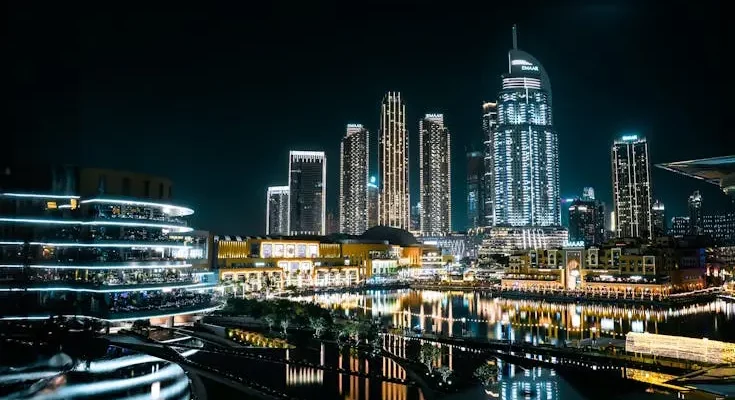
Dubai had more than 30 active free zones in 2026, each governed by its own licensing authority, with its own fee structure, industry focus, and visa quota system. If you are an international investor trying to choose where to register your company, the volume of options can feel paralyzing. This guide cuts through the noise with a single comparison table covering 11 major free zones, plus structured breakdowns by industry and budget tier.
Important disclosure: All cost figures in this article are estimates based on data available in early 2026 from multiple independent industry sources. Actual costs depend on your chosen office package, visa count, activity type, and any additional regulatory approvals. Always verify final figures directly with the relevant free zone authority or a registered setup advisor.
Why Dubai Free Zones Attract International Investors in 2026
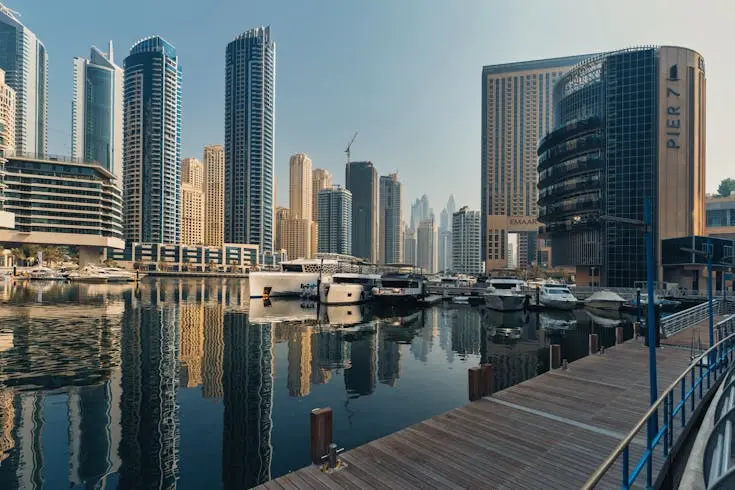
Free zones are designated economic areas that sit outside Dubai’s mainland commercial framework, governed by the Dubai Department of Economy and Tourism (DET). Each zone operates under its own regulatory authority, and in DIFC’s case, under a fully independent English Common Law legal system.
The structural advantages that make Dubai free zones compelling for international businesses include:
- 100% foreign ownership, with no requirement for a local Emirati partner
- Zero personal income tax and a 0% corporate tax rate on qualifying income under the UAE corporate tax framework
- Full profit repatriation, with no restrictions on moving capital out of the UAE
- Fast company formation, typically 3 to 15 working days depending on the zone
- Access to the Dubai and broader MENA business ecosystem, bridging markets across the Middle East, South Asia, Africa, and beyond
For a broader overview of the Dubai business landscape, including the different structures available to foreign investors, read our guide on how to start a business in a Dubai free zone.
Also read: 100% Foreign Ownership in Dubai: What Changed in 2026 and What It Means for Investors
Dubai Free Zone Comparison Table 2026
The table below shows estimated Year 1 setup costs (combining license, registration, and a basic office option), annual license fees starting from the lowest available package, and visa quota for flexi desk or equivalent entry-level office. The “Best For” column reflects the primary industry fit each zone is recognized for.
| Free Zone | Year 1 Setup Cost (Est.) | License Fee/Year (Est.) | Visa Quota (Flexi Desk) | Best For |
|---|---|---|---|---|
| DMCC | AED 19,500-45,000+ | AED 15,000+ | 3-4 visas | Trading, commodities, consulting, fintech |
| DIFC | AED 65,000-100,000+ | AED 14,700-18,000 | 1 per workstation (office required) | Financial services, banking, fintech, law firms |
| DAFZA | AED 15,020-50,000+ | AED 15,020+ | Scales with facility | Logistics, aviation, air cargo, import-export |
| DSO | AED 12,000-25,000+ | AED 12,000-20,000 | Scales with office size | Technology, software, R&D, innovative startups |
| DMC | AED 25,000-40,000+ | AED 15,000+ | Scales with office size | Media, PR, broadcasting, digital content |
| DIC | AED 15,020-30,000+ | AED 15,020+ | Scales with office size | IT, software, e-commerce, tech companies |
| JAFZA | AED 50,000-150,000+ | AED 25,000+ | Scales with facility/warehouse | Logistics, industrial, large-scale trading |
| IFZA | AED 12,200-30,000+ | AED 10,000-30,000 | 1-6 visas (package dependent) | Startups, consultants, digital businesses, freelancers |
| Meydan FZ | AED 12,500-25,000+ | AED 12,500+ | 1-2 visas (flexi), more for private office | E-commerce, digital agencies, solo founders |
| Dubai South | AED 8,500-35,000+ | AED 8,500+ | 2 visas (flexi), up to 10 with upgrade | Airport logistics, e-commerce, budget-first startups |
| SHAMS* | AED 5,750-18,500+ | AED 5,750+ | 0-2 (basic), higher with upgrade | Freelancers, media businesses, low-budget digital ops |
*SHAMS (Sharjah Media City) is located in Sharjah, not Dubai. It is frequently included in Dubai free zone comparisons because of its proximity and competitive pricing. All figures are estimates. Verify with the relevant authority before committing.
Free Zones by Industry: Where Each Zone Actually Performs
Trading and Commodities: DMCC and JAFZA
DMCC is Dubai’s most internationally recognized free zone, hosting over 26,000 companies from 180 countries in the Jumeirah Lakes Towers district. It has been named Global Free Zone of the Year by fDi Magazine nine consecutive times. For companies that need the credibility signal of a world-ranked free zone and access to a dense commodities trading ecosystem, DMCC is the standard choice. First-year costs run AED 19,500 to AED 45,000 depending on the office package. DMCC also requires a minimum share capital of AED 50,000 per company, though this can generally be withdrawn after setup.
JAFZA sits adjacent to Jebel Ali Port, the busiest port in the Middle East. It is the right choice when physical logistics infrastructure matters: warehousing, port connectivity, and large-scale manufacturing. First-year budgets for JAFZA realistically start from AED 50,000 once facility rental, incorporation, and visa costs are included.
Financial Services: DIFC
DIFC operates under a fully independent English Common Law framework with its own courts, arbitration center, and financial regulator (DFSA). This is not a low-cost zone. First-year setup runs AED 65,000 to AED 100,000 or more, and a physical office is mandatory. What DIFC offers in return is jurisdictional credibility that institutional investors, international banks, and global counterparties recognize immediately. Physical offices start from AED 60,000 per year for private space.
For early-stage tech and fintech startups, DIFC’s Innovation License offers a significantly reduced entry point at approximately USD 1,500 per year, with co-working facilities and up to four visas per desk.
Technology: DIC, DSO, and IFZA
Dubai Internet City is the MENA region’s largest ICT hub, hosting over 1,600 companies including Microsoft, Google, and Oracle. Setup packages start from AED 15,020. DIC is most relevant for technology companies that want to operate alongside global industry names and access an established enterprise tech ecosystem.
Dubai Silicon Oasis targets innovation-driven businesses, R&D operations, and software development firms. License costs start from AED 12,000, and the zone is managed by a government-owned authority, which adds a layer of institutional credibility for tech businesses.
IFZA sits inside DSO and positions itself between the premium zones and the budget alternatives. For service businesses, consultants, and digital agencies that need a Dubai-licensed entity without the overhead of DIC or DMCC, IFZA delivers a practical balance. Entry-level packages with one investor visa start from approximately AED 12,200.
Media and Creative: DMC
Dubai Media City is managed by TECOM Group and houses news agencies, broadcasters, advertising firms, production companies, and digital publishers. The broader TECOM group also manages DIC and Dubai Design District (d3), and companies registered in any of these zones can access shared ecosystem benefits through the GoFreelance platform for individual practitioners. Setup at DMC starts from AED 25,000 to AED 40,000.
Budget-First: Dubai South, Meydan, and SHAMS
Dubai South, built around Al Maktoum International Airport, offers the lowest entry cost among geographically Dubai-based free zones, starting from AED 8,500. It works best for logistics-adjacent businesses, e-commerce operations, and startups at an early stage that need a Dubai license without the premium price tag of central Dubai zones. The zone is still developing its banking relationships compared to established zones like DMCC.
Meydan Free Zone, located in Mohammed Bin Rashid City near Downtown Dubai, consistently ranks as a top choice for solo founders, digital agencies, and e-commerce businesses. Packages from AED 12,500 include one investor visa and access to a business address near the city center. Banking onboarding tends to run 5 to 10 working days through its preferred banking partners.
SHAMS, in Sharjah, offers the lowest entry point in the region at AED 5,750 for a basic license. It is a reasonable starting point for freelancers or businesses with minimal operational needs that are primarily serving international clients, but the Sharjah address may raise questions from UAE-based clients or banks that associate business legitimacy with a Dubai address.
Also read: Dubai Free Zone vs Mainland: Which Is Better for Your Business in 2026?
Four Factors That Matter More Than Price
Choosing a free zone is not a decision that should be made on license cost alone. These four factors often have a larger practical impact on your business than the initial price difference:
- Activity match: Each free zone only licenses specific business activities. If your activity is not on the approved list for your chosen zone, your application will not go through. Verifying this before starting the process saves significant time.
- Banking access: Free zones like DMCC and DIFC have long-established banking relationships, which means corporate account opening tends to be faster and more predictable. Newer zones or smaller authorities may require additional documentation and longer review periods.
- Mainland sales limitations: Free zone companies cannot sell directly to UAE mainland customers without a DET mainland trading permit or a registered mainland distributor. If your primary market is the UAE domestic market, your structure will need to account for this.
- Visa quota planning: Visa quotas are directly tied to office type and size. A flexi desk typically supports one to four visas. Larger teams need a private office with proportionally higher annual costs. Plan headcount requirements before selecting an office tier.
For more detail on how to navigate the full registration process, read our guide on doing business in Dubai or consult the vOffice team directly.
Not Sure Which Free Zone Fits Your Business Model?
vOffice, with 20+ years in Southeast Asia and an official Dubai Chamber partnership, matches your activity and budget to the right zone before you commit.
Dubai Corporate Tax and the Qualifying Free Zone Person Status
Since June 2023, the UAE applies a 9% corporate tax on taxable income above AED 375,000. Free zone companies can still access a 0% rate on qualifying income if they meet the Qualifying Free Zone Person (QFZP) criteria. These include maintaining adequate substance within the free zone, deriving income from transactions within the free zone or with overseas counterparties, and meeting annual audit requirements.
In practical terms, an international trading company based in a Dubai free zone, invoicing clients outside the UAE, can generally still benefit from significant tax advantages. However, any company that plans to sell into the UAE mainland, hire locally at scale, or structure complex intercompany arrangements should get specific guidance before filing.
For a detailed breakdown of how UAE tax rules apply to different business structures, read our guide to Dubai tax regulations for entrepreneurs.
Getting the free zone selection and company structure right from the start is where experienced setup advisors add the most value. The Dubai company registration service from vOffice covers zone selection, documentation, license application, and post-setup compliance, with a team that has handled the process for Indonesian entrepreneurs and international investors across multiple industries.
Ready to Register Your Company in Dubai?
vOffice is trusted by 50,000+ clients and is an official Dubai Chamber partner, guiding you from zone selection to license issuance.
Frequently Asked Questions
Can a Dubai free zone company invoice clients outside the UAE?
Yes. Free zone companies can transact with counterparties in any country. This is one of the primary reasons international entrepreneurs use Dubai free zone entities as trading vehicles or holding structures for global operations.
Do I need to be physically present in Dubai to register a free zone company?
For the company registration itself, several free zones including IFZA and Meydan allow fully remote setup. Residency visa processing generally requires a physical visit to the UAE for biometrics and document collection, but the registration process can often be completed remotely if your documents are in order.
How long does a Dubai free zone company formation take?
License issuance typically takes 3 to 15 working days. Budget zones like IFZA and Meydan can move in 3 to 5 days. DIFC tends to take 7 to 14 days due to more thorough KYC requirements. The full process including visa and corporate bank account generally takes 3 to 5 weeks.
Most free zones have no paid-up capital requirement. DMCC is the main exception, requiring AED 50,000 per company (refundable after setup). DIFC has its own capital requirements that vary by entity type and activity, particularly for regulated financial services entities.
What is the difference between DMCC and IFZA for a trading business?
DMCC offers stronger international credibility, a denser trading ecosystem, and more established banking relationships. IFZA is more affordable, faster to set up, and better suited for businesses at the early stages of Dubai market entry. The right choice depends on your client profile, banking needs, and total budget.
Can a SHAMS company be used for business dealings in Dubai?
SHAMS is in Sharjah, not Dubai. The company can operate internationally and serve clients anywhere. However, some UAE-based banks and clients may associate a Sharjah address differently from a Dubai one. If a Dubai emirate address matters for client perception or banking ease, IFZA, Meydan, or DSO are geographically inside Dubai.
References
1. AB Capital Services. (2026). List of Free Zones in Dubai 2026: Complete Guide with Benefits, Costs and How to Choose the Right One. AB Capital Services. Retrieved from
2. HenryClub Advisory. (2026, March). Best UAE Free Zones 2026: DMCC vs IFZA vs JAFZA. HenryClub.ae. Retrieved from
https://www.henryclub.ae/business-setup/free-zones/free-zones-comparison/
3. Arnifi. (2026, January). DIFC License Cost Breakdown 2026: Complete Guide. Arnifi.com. Retrieved from
https://arnifi.com/blog/difc-license-cost-breakdown-2026/
4. FreezoneCompare. (2026). Best Free Zones in the UAE 2026: Independent Rankings. FreezoneCompare.com. Retrieved from
https://freezonecompare.com/best/overall/
5. Safe Ledger. (2026). Dubai South Free Zone License Cost 2026. SafeLedger.ae. Retrieved from
https://safeledger.ae/blog/dubai-south-free-zone-license-cost
6. Dubai Business Services. (2026, April). Best Free Zones Dubai 2026: Top 10 for Investors. DubaiBusinessServices.com. Retrieved from
https://www.dubaibusinessservices.com/best-free-zones-dubai-foreign-investors-2026/
7. Wikipedia. (2026). List of Free-Trade Zones in Dubai. Wikimedia Foundation. Retrieved from
https://en.wikipedia.org/wiki/List_of_free-trade_zones_in_Dubai