

In the dynamic business landscape, the term “SME” is becoming increasingly prominent, especially among those venturing into entrepreneurship. In this comprehensive guide, we will explore its essence, the criteria defining Small and Medium Enterprises (SMEs), the difference between SME and Micro, Small, and Medium Enterprises (MSMEs), and valuable tips for developing your small business. We will also delve into the benefits of renting physical offices and virtual spaces tailored to your needs.
What is SME?
Small and Medium Enterprises (SMEs) are a business sector that supports economic growth by empowering small and medium-sized entrepreneurs. In the business environment, this encompasses various entities, ranging from corner grocery stores to small companies that may have a few employees. It is a crucial element in an economic ecosystem focused on local development and self-sustainability.
Criteria for Small and Medium Enterprises
Business Size
Common criteria involve the number of employees and annual revenue. Usually, a business is considered an SME if it has a limited number of employees and annual revenue below a certain threshold.
Local Economic Growth
Plays a key role in local economic growth by creating job opportunities and increasing money circulation within the local community.
Read Also: How to Start a Business with Small Capital
Difference Between SME and MSME
Although often used interchangeably, SME and MSME have significant differences that need to be understood.
Business Scale
SMEs can include businesses on a larger scale, while MSMEs are more limited and small-scale.
Economic Impact
MSMEs usually provide a more direct local economic impact, while SMEs may have a broader reach.
Tips for Developing a Small Business
1. Understand the Market: Before starting or expanding a small business, it is essential to understand the target market and customer needs.
2. Utilize Technology: Adopting technology can enhance operational efficiency and expand the reach of your small business.
Office Rental and Virtual Office for SMEs
Physical Office Rental: Having a physical office provides legitimacy and convenience.
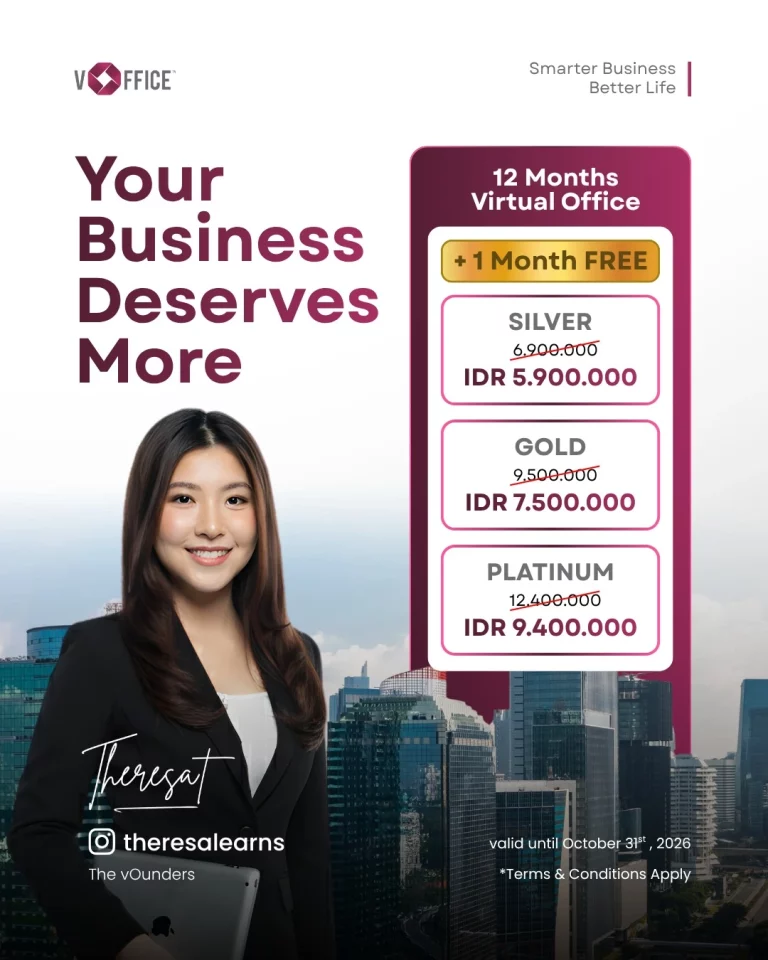
Virtual Office: For more flexible SMEs, a virtual office is a modern solution that provides an official business address without physical presence.
By understanding its essence, identifying criteria, understanding the differences from MSMEs, and applying tips for growth, you can build a robust SME. The choice between renting a physical office or a virtual office will depend on the specific needs of your business.
Also read: NIB for SMEs: Registration Requirements and How to Create It
FAQ
1. What is the main difference between SME and MSME?
SMEs can include businesses on a larger scale, while MSMEs are more limited and small-scale.
2. Why is it important for SMEs to understand the target market?
Understanding the target market helps align their products and services with customer needs, increasing the chances of success.
3. How can technology help the growth of this business?
Adopting technology can improve operational efficiency, expand market reach, and enhance service quality.
4. What are the benefits of renting a physical office for SMEs?
Renting a physical office provides legitimacy, increases customer trust, and provides space for meetings and collaboration.
5. Why is a virtual office a popular choice for flexible SMEs?
A virtual office provides an official business address without physical presence, offering flexibility and cost efficiency for this business.